
Blog
How Much Space Do You Need for a Tent When Planning a Graduation Party in Livingston and Millburn
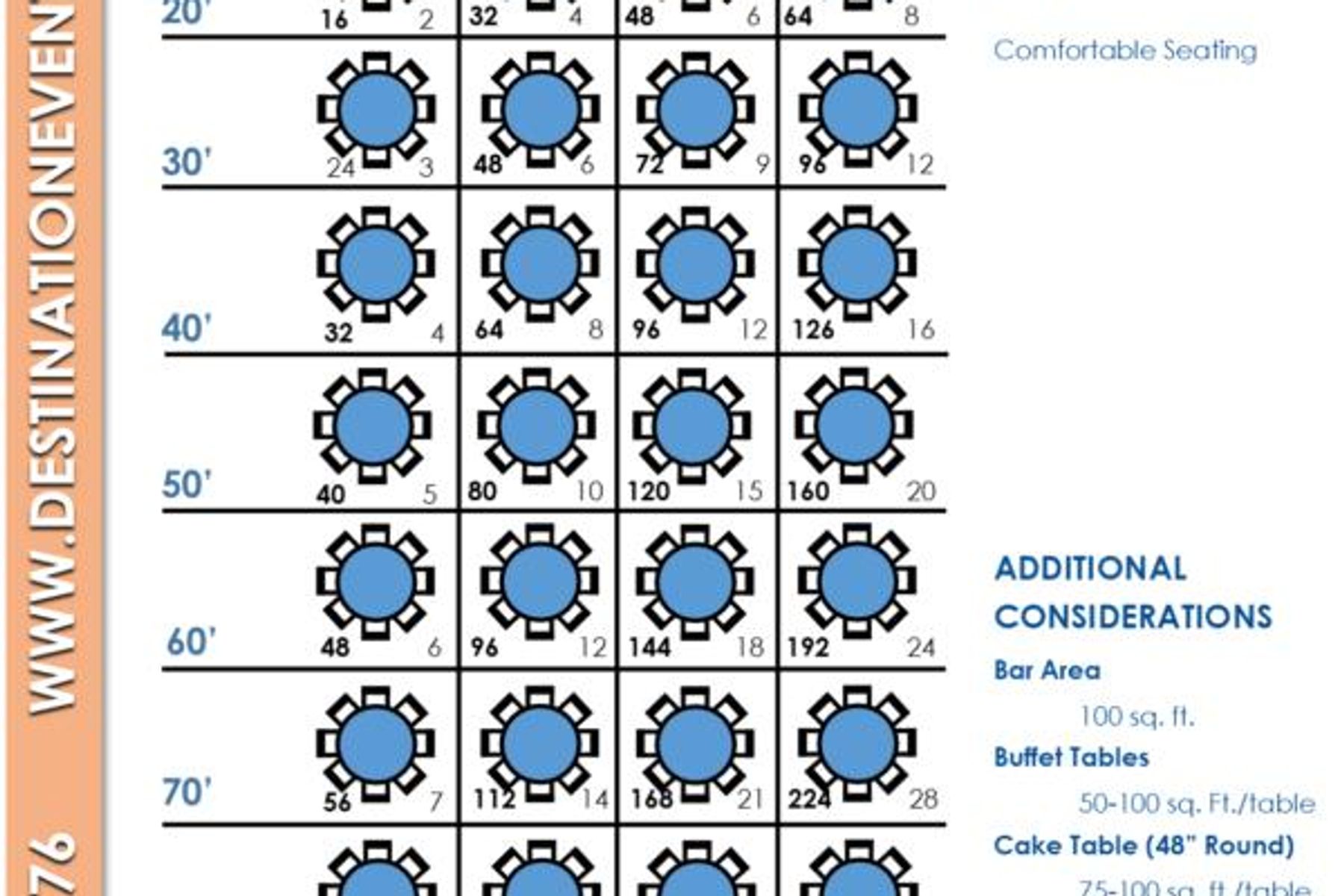
How Much Space Do You Need for an Event Tent?
One of the most common questions when planning a backyard event is: How much space do I need for an event tent?
Whether you're hosting a graduation party, birthday celebration, baby shower, or backyard wedding in Caldwell, Verona or Cedar Grove, understanding space requirements is essential. A properly sized tent not only fits your guests comfortably but also ensures safe installation and smooth event flow.
Planning ahead helps avoid last-minute surprises and ensures your yard can safely accommodate the tent size you need. https://spiriteventrentals.com/packages
Understanding Tent Space Requirements
When determining how much space you need, it's important to consider more than just the size of the tent itself.
The Tent Footprint
The tent footprint refers to the exact dimensions of the tent.
Common Tent Sizes and Their Footprints
Some commonly used backyard tent sizes include:
- 20' x 20' Tent — Requires about 400 square feet
- 20' x 30' Tent — Requires about 600 square feet
- 20' x 40' Tent — Requires about 800 square feet
- 30' x 30' Tent — Requires about 900 square feet
- 30' x 40' Tent — Requires about 1,200 square feet
These measurements represent the base size, but additional space is always required around the tent.
Clearance Space Around the Tent
Most professional tent installations require additional clearance space beyond the tent dimensions.
Typical Clearance Requirements
Plan for:
- 5 to 10 feet of extra space on each side
- Space for staking or anchoring
- Room for installation access
For example:
- A 20' x 40' tent may require approximately 30' x 50' of total yard space when including clearance.
Clearance ensures safe installation and helps prevent damage to fences, landscaping, or nearby structures.
How Guest Count Affects Tent Size
The number of guests attending your event plays a major role in determining tent size and overall space needs. https://spiriteventrentals.com/gallery
Seating Layouts and Space Needs
Different seating styles require different amounts of space.
Round Table Seating
Typical layout:
- 60" round tables seat 8 guests
- Each table requires about 100 square feet
Example:
- 50 guests may require 6–7 round tables
This layout also allows space for walking paths between tables.
Banquet Table Seating
Banquet tables (6' or 8') require slightly less space.
Typical capacity:
- 6' table seats 6–8 guests
- Uses approximately 70–80 square feet per table
Banquet tables are often used for:
- Casual gatherings
- Buffet-style events
- Kids' seating areas
Standing or Cocktail-Style Events
Events with minimal seating require less space.
High-Top Table Layouts
Cocktail-style setups typically require:
- 8–10 square feet per person
These events work well for:
- Graduation parties
- Engagement parties
- Networking events
They allow for greater guest capacity within smaller spaces.
Space Needed for Additional Equipment
Guest seating isn't the only factor to consider. Most backyard events include additional equipment that requires space under the tent.
Buffet and Catering Tables
Food service areas often require:
- Two to four banquet tables
- Extra space for guest lines
Plan for:
- 100–200 square feet for buffet service areas.
Buffet placement should allow guests to move comfortably without crowding.
Dance Floors
Dance floors significantly increase space requirements.
Typical Dance Floor Sizes
Common sizes include:
- 12' x 12' Dance Floor — Small gatherings
- 16' x 16' Dance Floor — Medium events
- 18' x 18' or larger — Large parties
Dance floors should be placed in open areas with adequate walking space around them.
DJ Tables and Entertainment
Music and entertainment areas require dedicated space.
Common setups include:
- DJ table or booth
- Speaker placement
- Lighting equipment
Plan for approximately:
- 100 square feet for DJ or entertainment setups.
Bars and Beverage Stations
Bar areas are popular additions to backyard events.
Typical bar setup requires:
- One or two tables
- Guest standing space
- Bartender workspace
Allow approximately:
- 80–120 square feet for bar areas.
Yard Layout Considerations
Even if your yard measures large enough, layout obstacles can impact installation.
Slopes and Uneven Ground
Flat surfaces are best for tent installation.
Potential challenges include:
- Hills or slopes
- Uneven terrain
- Soft or muddy ground
Minor slopes may be workable, but significant elevation changes can limit usable space.
Trees and Overhead Obstacles
Look for overhead obstructions before selecting a tent size.
Common obstacles include:
- Tree branches
- Power lines
- Roof overhangs
Adequate vertical clearance is just as important as ground space.
Fences, Patios, and Landscaping
Permanent structures can limit tent placement.
Watch for:
- Fences
- Decks
- Pools
- Garden beds
- Retaining walls
Mapping out these features helps determine realistic tent placement areas.
Planning for Weather Protection
Weather considerations can affect how much space you need.
Sidewalls and Rain Protection
Sidewalls require additional clearance around the tent.
They provide:
- Rain protection
- Wind protection
- Temperature control
Extra space allows for:
- Safe installation
- Proper airflow
Heater and Lighting Placement
Seasonal events often include heaters or lighting.
These accessories require:
- Safe placement distances
- Open space for airflow
- Secure mounting locations
Allow space for:
- Heater clearance
- Lighting supports
- Electrical routing
Measuring Your Backyard for a Tent
Accurate measurements are essential before selecting a tent size.
Step-by-Step Measuring Process
Step 1: Measure the Usable Area
Use a tape measure or measuring wheel to determine:
- Yard width
- Yard length
Focus only on flat, usable areas.
Step 2: Identify Obstacles
Mark the location of:
- Trees
- Fences
- Utility lines
- Decks
- Pools
These factors determine realistic placement options.
Step 3: Add Clearance Space
Remember to include:
- Extra space around tent edges
- Access paths for installation
- Safety clearance zones
Ignoring clearance space is one of the most common planning mistakes.
Common Backyard Tent Planning Mistakes
Avoiding these mistakes can save time, money, and stress.
Choosing a Tent That Is Too Large
Oversized tents may:
- Not fit within yard boundaries
- Interfere with structures
- Require additional permits
Selecting the correct size is critical.
Forgetting About Access Paths
Installation crews need space to:
- Carry equipment
- Set up tent frames
- Secure anchors
Narrow access points can limit installation options.
Underestimating Guest Needs
Crowded layouts can make events uncomfortable.
Allow space for:
- Walking areas
- Guest movement
- Food service lines
Comfortable spacing improves the overall guest experience.
When to Schedule a Site Visit
If you're unsure about available space, a site visit can provide clarity. https://spiriteventrentals.com/contact
Benefits of a Professional Site Evaluation
A site visit helps determine:
- Maximum tent size
- Safe placement options
- Clearance needs
- Ground conditions
It also reduces the risk of unexpected installation challenges.
Final Thoughts: Planning the Right Space for Your Event Tent
Determining how much space you need for an event tent involves more than choosing a size—it requires careful planning around guest count, yard layout, and equipment needs.
By allowing proper clearance, accounting for additional equipment, and measuring your yard accurately, you can create a safe and comfortable event space that keeps guests protected from the elements.
With thoughtful planning, your backyard can become the perfect setting for memorable celebrations, from graduations and birthdays to weddings and milestone events.