
Blog
How to Erect a Tent For Your Next Backyard Party in Caldwell, NJ
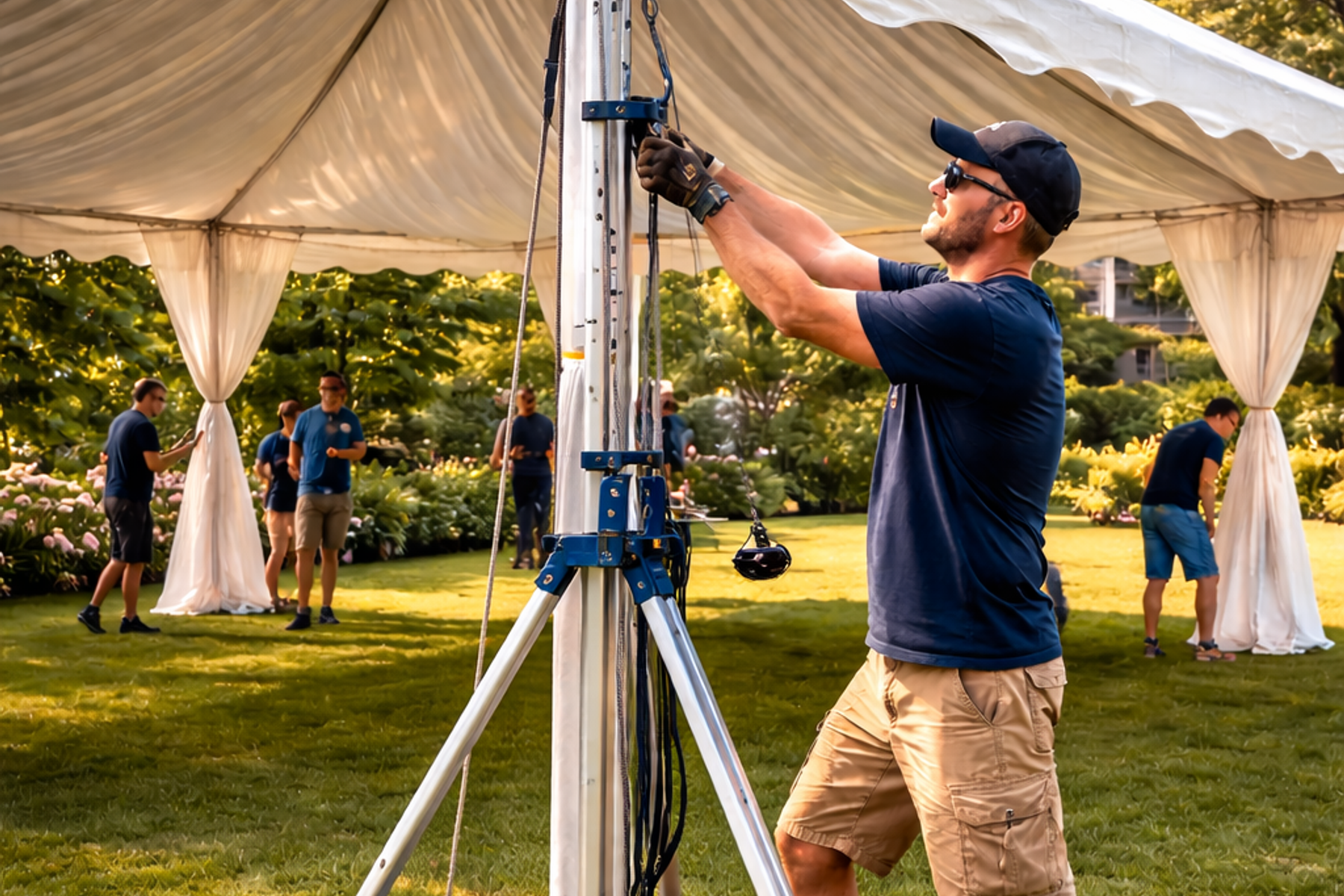
How Event Tents Are Erected: The Step-by-Step Process Behind a Successful Backyard Setup
Setting up an event tent may look simple from the outside, but the process requires planning, precision, and experience. Whether you're hosting a graduation party, wedding, or birthday celebration in Caldwell or West Essex, understanding how tents are erected helps explain why professional installation matters.
From site preparation to final inspection, here is a step-by-step look at how event tents are safely and properly installed.
Step 1 — Site Inspection and Planning
Before any tent is installed, the first step is evaluating the event location. Proper planning ensures the tent fits safely and functions correctly.
Measuring the Event Space
The installation team measures the area to confirm:
- Tent size fits the available space https://spiriteventrentals.com/packages.
- There is enough clearance around the tent
- Walkways and entrances remain accessible
- Tables, chairs, and equipment will fit inside https://spiriteventrentals.com/packages.
Backyards in Caldwell and West Essex often vary in size and layout, so accurate measurements are essential.
Checking the Ground Surface
The ground surface plays a major role in how the tent is secured.
Installers check for:
- Grass or soil conditions
- Slopes or uneven areas
- Underground utilities
- Obstacles such as trees or fences
Flat, stable ground helps ensure a safe installation.
Step 2 — Marking the Tent Layout
Once the site is approved, the layout of the tent is carefully marked.
Identifying Stake Locations
The crew marks where stakes or anchors will be placed.
This includes:
- Corner points
- Sidewall supports
- Center poles (for pole tents)
- Frame supports (for frame tents)
Accurate marking ensures the tent remains square and stable.
Planning Entry Points
Installers also determine:
- Where guests will enter and exit
- Where buffet tables will be located
- Where walkways will be positioned
Proper layout improves guest flow during the event.
Step 3 — Installing Stakes or Anchors
Securing the tent properly is one of the most critical safety steps.
Driving Stakes Into the Ground
Large steel stakes are driven into the ground at marked locations.
Typical stakes:
- Are driven 2–3 feet into the ground
- Provide structural support
- Help resist wind movement
This step ensures the tent remains stable during use.
Using Alternate Anchoring Methods
If staking into the ground is not possible, alternative anchors may be used.
Examples include:
- Concrete weights
- Water barrels
- Ballast systems
These methods are often used for:
- Driveways
- Patios
- Asphalt surfaces
Step 4 — Assembling the Tent Frame
With anchors in place, the structural components of the tent are assembled.
Frame Tent Assembly
For frame tents, the metal framework is assembled first.
This includes:
- Connecting crossbars
- Securing joints
- Raising the frame into position
Frame tents do not require center poles, making them ideal for tight backyard spaces. https://spiriteventrentals.com/gallery
Pole Tent Assembly
Pole tents use center poles to support the structure.
Installers:
- Lay out the tent top first
- Insert center poles
- Raise the structure gradually
- Secure side poles
This creates the classic high-peak tent appearance.
Step 5 — Raising the Tent Structure
Once the frame or poles are in place, the tent is lifted into its final position.
Lifting the Tent Safely
This step requires teamwork and coordination.
Crew members:
- Lift evenly from multiple sides
- Secure poles or frame sections
- Maintain balance during elevation
Proper lifting ensures the tent remains aligned and secure.
Tensioning the Tent Fabric
After the structure is raised, the fabric is tightened.
This step:
- Removes wrinkles
- Improves water runoff
- Increases wind resistance
- Enhances overall appearance
A properly tensioned tent looks clean and professional.
Step 6 — Installing Sidewalls and Accessories
After the tent is fully raised, additional features are installed.
Sidewall Installation
Sidewalls provide protection from weather and improve comfort.
Common sidewall types include:
- Solid sidewalls
- Window sidewalls https://spiriteventrentals.com/packages
- Clear sidewalls
These help protect guests from wind, rain, and cool temperatures.
Adding Lighting and Equipment
Many backyard events require additional equipment inside the tent.
Installers may add: https://spiriteventrentals.com/packages
- String lighting
- Tent lighting fixtures
- Tables and chairs
- Dance floors
- Buffet stations
These elements transform the tent into a fully functional event space.
Step 7 — Final Safety Inspection
Before leaving the site, installers complete a thorough inspection.
Checking Stability
The crew verifies:
- Stakes are secure
- Poles are aligned
- Fabric tension is correct
- Anchors are stable
Safety is always the top priority.
Reviewing the Setup with the Host
The final step often includes walking through the setup with the customer.
This ensures:
- The layout meets expectations
- Entry points are accessible
- Equipment placement is correct
Any adjustments can be made before the event begins.
How Long Does Tent Installation Take?
Installation time depends on tent size and site conditions.
Typical time estimates:
- Small Tent (20x20) — 1 to 2 hours
- Medium Tent (20x40) — 2 to 4 hours
- Large Tent Installations — Several hours or more
Weather, terrain, and equipment requirements can affect timing.
Why Professional Tent Installation Matters
Professional installation is essential for both safety and reliability.
Benefits include:
- Proper anchoring and stability
- Correct tensioning
- Safe placement near structures
- Compliance with safety standards
- Reduced risk of damage or collapse
Attempting to install large tents without experience can lead to safety risks and costly mistakes.
When Should Tents Be Installed Before an Event?
Most tents are installed:
- 1 to 2 days before the event
This allows time for:
- Equipment setup
- Layout adjustments
- Weather preparation
Early installation helps reduce stress on event day.
Final Thoughts — The Work Behind Every Successful Tent Setup
While tents may appear simple once installed, the process behind erecting an event tent involves careful planning, skilled labor, and attention to detail.
Understanding the setup process helps customers appreciate the value of professional installation and ensures their event space is safe, comfortable, and ready for guests.
For backyard events in Caldwell and West Essex, working with experienced installers makes all the difference in creating a smooth and successful event. https://spiriteventrentals.com/